






Understanding the Connection Between Orthodontics and Speech
The relationship between dental alignment and speech production is far more intricate than many people realise. When individuals embark upon orthodontic treatment, concerns about temporary speech difficulties often arise, particularly with traditional metal braces. However, Invisalign Tunbridge Wells have revolutionised the patient experience, offering a pathway to straighter teeth whilst minimising disruption to everyday communication. The innovative design of these transparent aligners takes into account the complex mechanics of speech production, making them an increasingly popular choice for adults and teenagers alike.
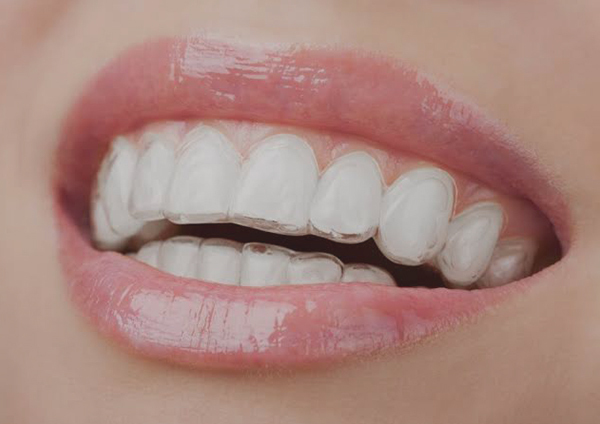
Speech clarity depends heavily on the precise positioning of the tongue against various points in the mouth, including the teeth and palate. Any alteration to the oral environment can initially affect pronunciation, particularly with sounds that require specific tongue placement. Traditional orthodontic appliances often create significant changes to the mouth’s interior landscape, leading to a more pronounced adjustment period. Clear aligners, by contrast, are engineered to be remarkably thin and form-fitting, which considerably reduces their impact on speech patterns from the outset of treatment.
The Science Behind Clear Aligner Design
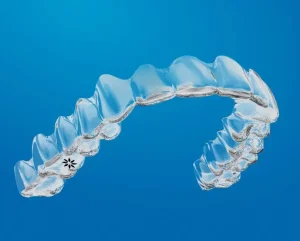
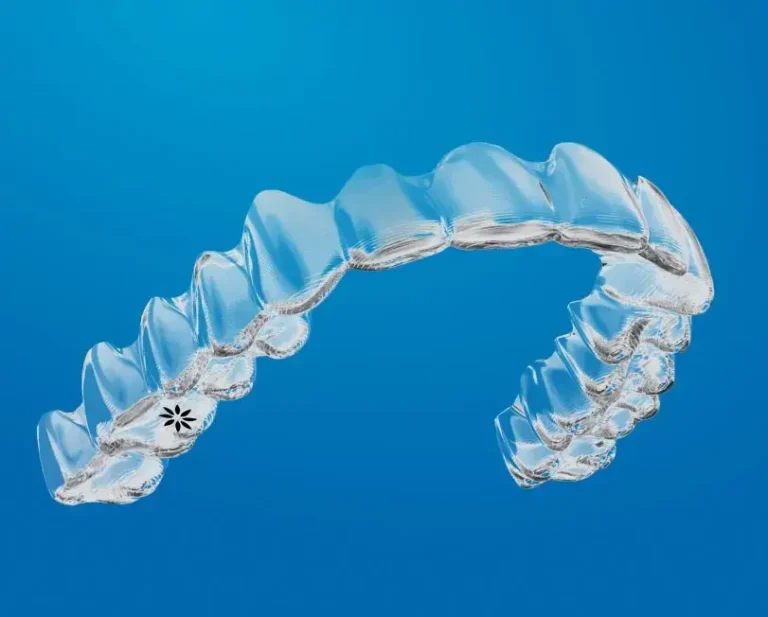
The engineering behind modern clear aligners represents a triumph of dental technology. Each aligner is custom-manufactured using advanced 3D imaging and computer-aided design, ensuring a precise fit that hugs the contours of the teeth without unnecessary bulk. This streamlined profile is crucial for maintaining speech clarity, as it minimises the amount of foreign material in the mouth that the tongue must navigate around during conversation. Research on clear aligner effectiveness has demonstrated that patients typically adapt to wearing aligners within just a few days, with minimal long-term impact on their ability to articulate clearly.
Those seeking Invisalign Tunbridge Wells treatment can expect aligners that sit snugly against the teeth, creating minimal interference with the tongue’s natural movements. The smooth, medical-grade plastic used in their construction eliminates the sharp edges and protruding brackets associated with traditional braces, which can catch the tongue and create lisping or slurring effects during the adjustment period.
Adaptation Period and Speech Improvement Timeline
The initial adjustment to clear aligners typically involves a brief period during which the mouth acclimatises to the presence of the appliances. Most patients report that any minor speech alterations resolve within two to seven days of beginning treatment. During this time, the tongue learns to accommodate the slim profile of the aligners, and muscle memory adjusts accordingly. This remarkably short adaptation period stands in stark contrast to traditional orthodontic treatments, which can require several weeks before speech returns to normal patterns.
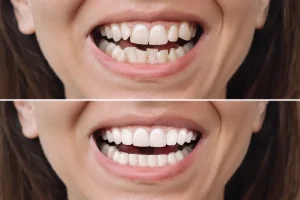
Interestingly, some patients actually experience improvements in speech clarity as their treatment progresses. This occurs because the aligners gradually correct misalignments that may have been contributing to speech impediments all along. Gaps between teeth, severe overcrowding, and significant overbites can all affect pronunciation, particularly of sibilant sounds like ‘s’ and ‘z’. As these structural issues are resolved, many individuals find that their articulation becomes clearer and more precise than it was before treatment commenced.
Practical Strategies for Maintaining Clear Speech
Patients can employ several techniques to accelerate their adjustment to clear aligners and maintain optimal speech clarity throughout treatment. Reading aloud during the first few days helps the mouth adapt more quickly to the new oral environment. Practising challenging words and tongue twisters can also expedite the process of retraining muscle memory. Studies examining speech adaptation during aligner therapy suggest that active vocal exercises significantly reduce the adjustment period compared to passive adaptation alone.
Staying well-hydrated is another crucial factor, as adequate saliva production facilitates smooth tongue movement and reduces any clicking sounds that might occur during speech. Clinical evidence on orthodontic treatment outcomes indicates that maintaining good oral hygiene and following prescribed wear schedules also contributes to consistent speech patterns throughout the treatment journey.
Achieving Optimal Results Through Modern Orthodontics
Clear aligner technology has transformed orthodontic treatment by addressing not only aesthetic concerns but also functional aspects of oral health, including speech production. The thoughtful design of these appliances ensures that patients can pursue straighter teeth without sacrificing their ability to communicate effectively in professional and social settings. For those considering orthodontic treatment, the minimal impact on speech clarity represents yet another compelling advantage of choosing modern clear aligner systems over traditional alternatives.