








Author: Alsiya Bangat!
Comparing Used Vehicles In Syracuse For Different Lifestyle Priorities

Choosing a pre-owned vehicle becomes easier when daily needs come first. Buyers checking https://www.bobjohnsonvw.com/used-vehicles-syracuse/ may find many choices with different sizes, features, prices, and mileage. The main task is matching those details with real routines. A clear process reduces confusion. It also helps prevent choices based only on appearance or price.
Lifestyle needs can change the right choice considerably. A person driving mainly to work may value fuel costs and easy parking. A household carrying several passengers may need more room. Someone with regular equipment to carry may focus on storage space instead.
Start with Daily Driving Needs
A structured comparison works better than guessing from a vehicle’s appearance. Start by writing down regular trips, passenger needs, storage demands, and expected driving distance. These details create a useful reference point. They also make differences between choices easier to judge.
- Estimate typical weekly driving before comparing available choices.
- Note usual passenger numbers during normal household trips.
- Identify storage needs for work or personal equipment.
- Set a realistic spending range before reviewing options.
Consider Size and Parking
Vehicle size should match the places where it will usually operate. Smaller choices may suit crowded streets and limited parking areas. Larger options can provide additional interior room but may require more parking space. The limitation is simple. Extra size can become inconvenient during frequent short trips.

Check Features Against Real Use
Features should solve actual needs rather than simply add expense. Consider seating flexibility, storage design, visibility, safety equipment, and technology that supports regular driving. A feature may look useful during a quick inspection but offer little value later. Reviewing normal routines helps separate useful additions from unnecessary ones.
A practical comparison can also begin through https://www.bobjohnsonvw.com/used-vehicles-syracuse/ when reviewing available choices. The important step is matching each option against personal requirements rather than choosing from appearance alone.
Build A Simple Comparison Plan
A step-by-step review keeps the process focused. Begin with needs rather than available choices. Then compare suitable options using the same criteria. Finally, review condition and ownership costs before making a decision.
- Write down three daily transportation requirements.
- Remove choices that exceed the planned spending limit.
- Compare mileage and maintenance records carefully.
- Check interior space against normal passenger needs.
- Inspect storage areas before deciding on usefulness.
- Review estimated ownership expenses for each option.
Notice Common Buying Mistakes
Many comparisons become difficult because buyers change their standards during the search. A lower price can suddenly become more important than condition. A desirable feature can also distract from regular costs. Changing household needs may create another problem. A choice that works today might become less suitable after a major routine change.
Keeping the same comparison points throughout the process helps maintain consistency. It also makes the final choice easier to explain.
Review Results Before Deciding
Testing and reviewing should happen before committing to one option. A short drive can reveal seating issues, visibility concerns, or parking difficulties. Checking records can provide additional information about past care. Repeating the same checks across several choices creates a fair comparison.
Consistency matters here. Each option should receive similar attention rather than extra focus because it looks appealing at first glance.
Frequently Asked Questions
- What should I compare first?Start with daily travel needs, passenger capacity, storage requirements, and available spending room.
- Does mileage always determine suitability? Mileage matters, but condition, maintenance history, and intended use also require careful review.
- Should fuel costs influence the choice? Expected driving distance can make fuel spending an important ownership factor.
- Why inspect storage space?Storage needs vary by household, work duties, hobbies, and regular carrying requirements.
- Should every option receive the same checks? Using consistent criteria makes comparisons clearer and reduces rushed decisions.
Keep Priorities Clear Through Selection
A useful comparison starts with real routines rather than attractive details. Different households require different combinations of space, cost, storage, and convenience. Reviewing each option using the same standards creates a clearer picture. The strongest process is not about finding perfection. It is about choosing an option that continues to make sense through regular use.
How Invisalign Aligners Improve Speech Clarity During Orthodontic Treatment

Understanding the Connection Between Orthodontics and Speech
The relationship between dental alignment and speech production is far more intricate than many people realise. When individuals embark upon orthodontic treatment, concerns about temporary speech difficulties often arise, particularly with traditional metal braces. However, Invisalign Tunbridge Wells have revolutionised the patient experience, offering a pathway to straighter teeth whilst minimising disruption to everyday communication. The innovative design of these transparent aligners takes into account the complex mechanics of speech production, making them an increasingly popular choice for adults and teenagers alike.
Speech clarity depends heavily on the precise positioning of the tongue against various points in the mouth, including the teeth and palate. Any alteration to the oral environment can initially affect pronunciation, particularly with sounds that require specific tongue placement. Traditional orthodontic appliances often create significant changes to the mouth’s interior landscape, leading to a more pronounced adjustment period. Clear aligners, by contrast, are engineered to be remarkably thin and form-fitting, which considerably reduces their impact on speech patterns from the outset of treatment.
The Science Behind Clear Aligner Design
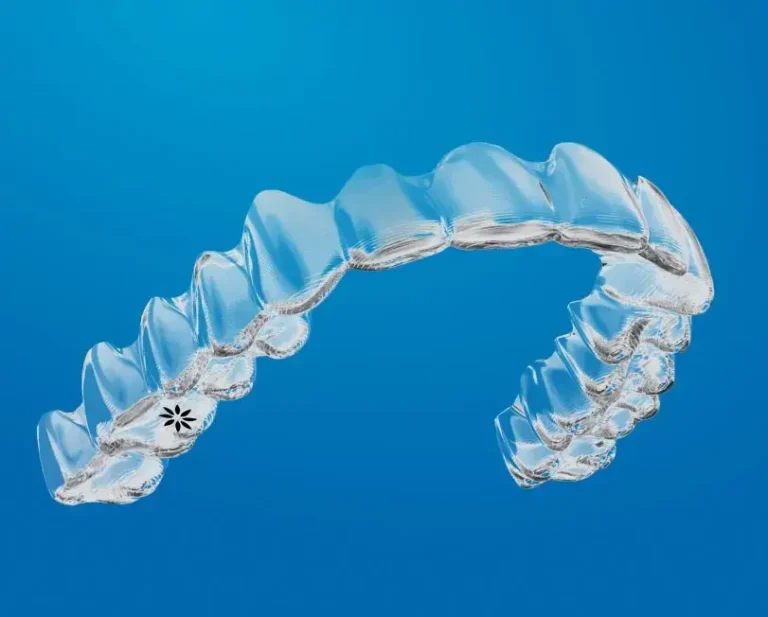
The engineering behind modern clear aligners represents a triumph of dental technology. Each aligner is custom-manufactured using advanced 3D imaging and computer-aided design, ensuring a precise fit that hugs the contours of the teeth without unnecessary bulk. This streamlined profile is crucial for maintaining speech clarity, as it minimises the amount of foreign material in the mouth that the tongue must navigate around during conversation. Research on clear aligner effectiveness has demonstrated that patients typically adapt to wearing aligners within just a few days, with minimal long-term impact on their ability to articulate clearly.
Those seeking Invisalign Tunbridge Wells treatment can expect aligners that sit snugly against the teeth, creating minimal interference with the tongue’s natural movements. The smooth, medical-grade plastic used in their construction eliminates the sharp edges and protruding brackets associated with traditional braces, which can catch the tongue and create lisping or slurring effects during the adjustment period.
Adaptation Period and Speech Improvement Timeline
The initial adjustment to clear aligners typically involves a brief period during which the mouth acclimatises to the presence of the appliances. Most patients report that any minor speech alterations resolve within two to seven days of beginning treatment. During this time, the tongue learns to accommodate the slim profile of the aligners, and muscle memory adjusts accordingly. This remarkably short adaptation period stands in stark contrast to traditional orthodontic treatments, which can require several weeks before speech returns to normal patterns.
Interestingly, some patients actually experience improvements in speech clarity as their treatment progresses. This occurs because the aligners gradually correct misalignments that may have been contributing to speech impediments all along. Gaps between teeth, severe overcrowding, and significant overbites can all affect pronunciation, particularly of sibilant sounds like ‘s’ and ‘z’. As these structural issues are resolved, many individuals find that their articulation becomes clearer and more precise than it was before treatment commenced.
Practical Strategies for Maintaining Clear Speech
Patients can employ several techniques to accelerate their adjustment to clear aligners and maintain optimal speech clarity throughout treatment. Reading aloud during the first few days helps the mouth adapt more quickly to the new oral environment. Practising challenging words and tongue twisters can also expedite the process of retraining muscle memory. Studies examining speech adaptation during aligner therapy suggest that active vocal exercises significantly reduce the adjustment period compared to passive adaptation alone.
Staying well-hydrated is another crucial factor, as adequate saliva production facilitates smooth tongue movement and reduces any clicking sounds that might occur during speech. Clinical evidence on orthodontic treatment outcomes indicates that maintaining good oral hygiene and following prescribed wear schedules also contributes to consistent speech patterns throughout the treatment journey.
Achieving Optimal Results Through Modern Orthodontics
Clear aligner technology has transformed orthodontic treatment by addressing not only aesthetic concerns but also functional aspects of oral health, including speech production. The thoughtful design of these appliances ensures that patients can pursue straighter teeth without sacrificing their ability to communicate effectively in professional and social settings. For those considering orthodontic treatment, the minimal impact on speech clarity represents yet another compelling advantage of choosing modern clear aligner systems over traditional alternatives.
Maximize Patio Style With Large Planters That Create Strong Visual Anchors

A patio gains presence when large planters establish clear visual anchors. Oversized containers frame entrances, define corners, and balance open paving. For homeowners ready to buy plants and pots online, matching plant scale with container size creates a more cohesive result. Material, placement, foliage height, and color also influence proportion. Together, these choices help outdoor spaces feel intentional without sacrificing usable room.
Large Planters Establish Strong Patio Proportion
Scale determines whether a patio feels grounded or scattered. A generous container can hold tall foliage while filling an empty corner. Shorter vessels work better beside seating. On narrow terraces, two substantial planters can create balance without consuming valuable walking space.
Which Shapes Strengthen Outdoor Composition?
Shape can guide attention across an open terrace. Cylindrical vessels suit contemporary paving, while tapered forms soften rigid architecture. Square containers reinforce structured layouts around doors or dining areas. A mixed arrangement can also work when heights differ clearly, preventing the setting from feeling overly matched.
- Choose broad bases for exposed corners.
- Frame entrances with taller foliage.
- Repeat one finish for visual continuity.
- Keep pathways free from protruding rims.

Foliage Height Adds Depth And Movement
Large containers become stronger anchors when foliage rises above surrounding furniture. Grasses introduce movement, while palms create vertical emphasis. Dense shrubs provide weight near walls. Before selecting plants, buy plants and pots online with mature dimensions in mind. Proper clearance prevents future crowding around chairs, doors, and paths.
Can Material Change The Patio Mood?
Container material strongly affects perceived atmosphere. Concrete delivers architectural weight and suits modern terraces. Terracotta introduces warmer character around timber furniture. Fiberglass offers lighter handling with substantial visual scale. Dark finishes recede against bright paving, while pale surfaces can highlight shaded corners and leafy textures.
Placement Turns Containers Into Architecture
Positioning determines whether a planter feels decorative or structural. Consider these practical placements:
- Mark the transition near patio steps.
- Anchor empty corners beside walls.
- Frame dining zones without blocking views.
- Pair containers across wide openings.
- Use staggered heights near boundary screens.
Spacing matters as much as quantity. A generous gap preserves circulation while keeping each anchor visually distinct.
A Patio Anchor Should Earn Space
Large containers work best when each one serves a purpose. A tall specimen can screen an exposed seating edge. A broad pot can soften hard masonry. The strongest arrangement treats containers as spatial tools, not accessories. Once placement feels architectural, even simple greenery can give paving greater visual authority.
FAQs
What size planter suits a patio?
Large patios can support substantial containers with mature foliage. Smaller terraces benefit from fewer vessels with controlled widths.
Which plants work well in large pots?
Architectural grasses, palms, shrubs, and compact trees create strong vertical interest. Selection should match sunlight and mature growth.
Should patio planters match each other?
Matching finishes create cohesion, while varied silhouettes add character. Consistent proportions can connect different container shapes.
How should large planters be positioned?
Place containers where structure feels missing, such as corners, entrances, and exposed boundaries. Clear walking routes should remain unobstructed.
What Transit Access Really Means When Comparing Waterfront Rentals

Every listing for a downtown waterfront rental mentions transit near the top. Light rail nearby. Ferry within walking distance. A subway connection a few blocks over. Sounds reassuring, until you actually live there and realize “nearby” can mean a three minute walk or a fifteen minute one, depending on which building, which entrance, even which side of the block you’re on.
That gap between marketed proximity and lived commute time is exactly what shows up in how Liberty Harbor compares to other Jersey City waterfront communities. Worth understanding before signing anything, honestly.
Distance on paper isn’t distance in practice
A transit stop half a mile away looks close on a map. But half a mile through a dense grid, waiting on lights, crossing wide intersections, can eat more time than a full mile somewhere less congested. Listings rarely account for this. They quote straight line distance. Not the walking route you’d actually take every single morning.
Weather changes the math too, and nobody puts that in the listing copy. A ten minute walk in mild weather turns into something else entirely during a downpour, or a stretch of bitter cold off the water. Waterfront spots catch more wind than inland blocks do. Makes an otherwise short walk feel a lot longer than it looks on paper.

Redundancy beats proximity, most of the time
A single nearby option sounds convenient until it’s delayed or running at half capacity during rush hour. Communities offering multiple modes, rail, ferry, bus, in reasonable walking distance tend to hold up better when something goes wrong. That redundancy rarely gets weighted properly when people first compare communities. Ends up mattering more than the headline proximity claim, more often than you’d expect.
What to actually check before deciding
Walk the route yourself. At the time you’d actually be commuting, not whenever you happen to be touring. Ask current residents how reliable the nearest option’s actually been over the last several months, not just whether it technically exists. Check whether transit access holds up during weather events too, since a ferry-dependent commute looks pretty different in January than it does in a listing photo shot in June.
Resident reviews mentioning transit tend to blur two separate issues together. Some complaints are about the transit option itself being unreliable, a factor no single community controls. Others are really about the walk to reach it, which ties directly to where a specific building sits. Sorting these apart matters, because how Liberty Harbor compares to other Jersey City waterfront communities on this exact point often comes down to building placement within a larger footprint, not the transit system itself.
None of this means transit proximity doesn’t matter. It clearly does. But the version worth comparing isn’t the distance printed in a listing. It’s the version you’d live through on an ordinary Tuesday, weather and crowding included. Harder to market. Far more useful to know before you sign.
Waterfront Access Adds Lasting Appeal To Residential Community Selection
A residential community can feel more appealing when nearby water adds a clear sense of openness. Waterfront access can support daily routines by creating simple options for walking or sitting outdoors. Well-planned shared areas can also strengthen the value of a chosen home. Buyers may find how Liberty Harbor compares to other Jersey City waterfront communities useful when considering waterfront access, outdoor spaces, and the overall character of a residential setting.
Everyday Outdoor Connections
Water nearby can make ordinary routines more engaging without major changes. Residents may enjoy short walks after work or quiet outdoor pauses. Paths near shared spaces can encourage movement while giving people another place to spend time. A residential setting supports daily habits.
Shared Spaces With Purpose
Good planning can make waterfront areas useful throughout the day. Seating zones can support brief breaks while open paths provide room for movement. Clear routes help people reach common areas easily. These details shape community use.
Practical Selection Factors
Water access deserves attention alongside other property features during a home search. Buyers can compare points before making a residential choice:
- Nearby paths can support outdoor movement during ordinary routines.
- Seating areas may provide convenient places for short daily breaks.
- Clear routes can make shared waterfront areas easier to reach.
- Open views can add visual interest around common residential spaces.
- Regular upkeep can help shared areas remain useful throughout seasons.
Lasting Value For Homes
A waterfront setting can strengthen home appeal. Outdoor areas may support shared moments while leaving room for private time. Buyers should consider distance between homes and shared spaces. For those comparing options, how Liberty Harbor compares to other Jersey City waterfront communities can guide a closer look.
A thoughtful home search should weigh outdoor access alongside practical housing needs. Waterfront features can add useful space for movement and short breaks. Shared paths may also create simple ways to connect with nearby areas. Buyers can compare access quality upkeep patterns and surrounding design before deciding.
Protecting Your Smile After Invisalign
Understanding the Critical Role of Retention in Orthodontic Success
The moment when clear aligners are finally removed marks a significant milestone in any orthodontic journey. Months of diligent wear have transformed crooked teeth into a beautifully aligned smile, and the temptation to simply celebrate and move on is entirely understandable. However, the completion of active treatment represents not an ending, but rather a transition into an equally important phase: retention. Without proper retention protocols, even the most expertly executed invisalign Leeds treatment can gradually unravel, with teeth drifting back towards their original positions.
The biological reality is that teeth possess a remarkable memory. Following orthodontic movement, the surrounding bone, ligaments, and soft tissues require substantial time to stabilise and adapt to their new configuration. During this vulnerable period, teeth remain susceptible to relapse, a phenomenon that affects patients regardless of age, treatment complexity, or initial severity of misalignment. Retention protocols exist specifically to counteract these natural forces and preserve the investment of time, effort, and resources that patients have dedicated to achieving their ideal smile.
The Science Behind Orthodontic Relapse
Understanding why retention matters requires appreciation of the dynamic nature of dental structures. Teeth are not fixed rigidly in the jawbone but are instead suspended within the periodontal ligament, a network of fibres that allows for slight movement and adaptation throughout life. When orthodontic forces reposition teeth, these fibres stretch and reorganise, whilst the surrounding bone remodels to accommodate the new alignment. Research into post-orthodontic stability demonstrates that this remodelling process continues for many months after active treatment concludes.
The periodontal ligament contains elastic fibres that retain tension even after teeth have been moved, creating an inherent tendency to pull teeth back towards their original positions. Additionally, external factors such as tongue pressure, lip posture, and habitual grinding or clenching exert continuous forces on teeth throughout daily life. Without the counterbalancing influence of retention appliances, these combined pressures can gradually compromise treatment results, sometimes within mere weeks of aligner removal.
Types of Retention Appliances and Their Functions
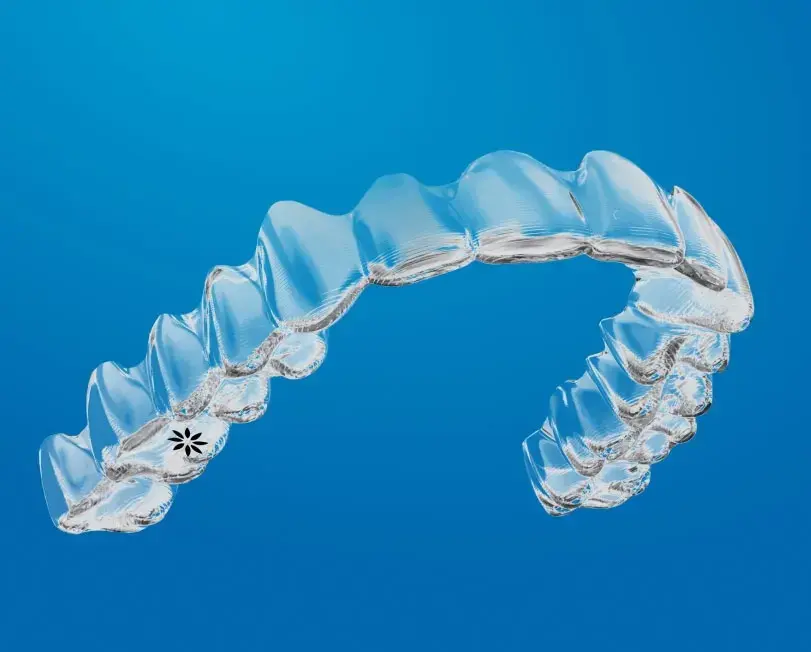
Retention protocols typically involve one of several appliance types, each designed to maintain tooth position through different mechanisms. Fixed retainers consist of thin wires bonded to the inner surfaces of teeth, providing continuous passive retention without requiring patient compliance. These are particularly effective for lower anterior teeth, which demonstrate the highest tendency towards relapse. Removable retainers, conversely, offer versatility and ease of cleaning whilst requiring disciplined daily wear to achieve their protective function.
The Vivera retainer system, specifically designed for patients who have completed clear aligner treatment, represents a popular choice amongst orthodontic practitioners. These retainers utilise similar thermoplastic material to the aligners themselves, offering familiar comfort and aesthetics. According to clinical guidelines on retention protocols, the initial retention phase typically requires full-time wear, transitioning gradually to night-time-only maintenance as stability increases over subsequent months and years.
Establishing a Sustainable Long-Term Retention Strategy
The duration of retention remains a subject of ongoing discussion within orthodontic circles. Historically, practitioners prescribed finite retention periods, often lasting two to three years. Contemporary understanding, however, recognises that retention should be considered a lifelong commitment for patients seeking to preserve their orthodontic results indefinitely. Evidence-based retention strategies increasingly support extended or permanent retention protocols, particularly for patients with certain risk factors such as severe initial crowding or pre-existing periodontal concerns.
Successful retention requires partnership between practitioner and patient. Regular monitoring appointments allow orthodontic professionals to assess stability, identify early signs of relapse, and adjust retention protocols accordingly. Patients must maintain meticulous retainer hygiene, store appliances properly when not in use, and promptly report any damage or fit issues that could compromise retention effectiveness.
Protecting Your Investment Through Committed Retention
The transformation achieved through invisalign Leeds treatment represents a significant personal and financial investment. Retention protocols serve as the insurance policy that protects this investment, ensuring that the confidence and oral health benefits gained through orthodontic correction endure throughout life. By understanding the biological necessity of retention and committing to long-term compliance, patients can enjoy their beautifully aligned smiles for decades to come, making the discipline of retention a small price for such lasting rewards.
Discover Smarter Real Estate Moves With 1031 Exchange San Antonio Opportunities

Careful property planning creates stronger financial progress through steady decisions over many valuable years. Many investors choose 1031 exchange san antonio methods because they support better asset transitions successfully. Every ownership change deserves proper evaluation before making important financial commitments with confidence today. Stable planning helps reduce unnecessary tax pressure while supporting long term property growth consistently. Better knowledge creates practical solutions that improve future investment value through careful planning always.
Practical Property Planning Approaches
Careful planning improves every ownership decision while supporting stronger financial direction throughout future investments. Better preparation reduces uncertainty because every property exchange follows important legal requirements successfully.
Current market conditions reward thoughtful preparation before every important ownership transition today. Reliable planning strengthens future financial results through informed property decisions with greater confidence.
Strong Financial Direction Through Planning
Long-term planning helps improve investment value while reducing avoidable financial challenges successfully today. Every informed decision creates stronger opportunities because preparation supports reliable ownership changes effectively.
Property owners benefit from reviewing financial goals before selecting replacement assets carefully. Consistent evaluation supports better choices while protecting valuable investment potential across changing market conditions.

Common Exchange Questions Explained
Many property owners want simple answers before making valuable investment decisions confidently today. Proper understanding supports smoother ownership changes while reducing unnecessary concerns throughout every transaction.
Helpful guidance improves planning because each exchange follows important legal timelines carefully. Better preparation creates stronger financial outcomes through organized documentation and proper asset selection, while maintaining required compliance successfully.
Helpful Answers
- Why does careful planning improve successful property exchange completion every single time?
- Organized preparation reduces avoidable delays while supporting accurate financial decision making consistently.
- Which documents deserve careful attention before beginning valuable ownership transfer procedures today?
- Complete paperwork supports smoother approval while reducing unnecessary processing difficulties successfully.
- How does financial planning strengthen future property ownership goals through steady decisions?
- Careful evaluation supports reliable investment progress while protecting long term financial value.
Better Choices for Lasting Value
Reliable planning creates stronger financial outcomes while supporting future property ownership confidently today. Organized preparation improves exchange quality because informed decisions reduce unnecessary financial uncertainty effectively.
- Compare property values before selecting suitable replacement assets with complete confidence always.
- Review financial objectives regularly because changing markets influence ownership planning successfully today.
- Maintain accurate records supporting smoother exchange approval throughout important legal procedures carefully.
- Study current market movement before making valuable property purchase decisions confidently today.
- Choose suitable investments supporting dependable financial progress through careful planning consistently.
Thoughtful evaluation strengthens every ownership decision while protecting valuable financial objectives consistently today. Reliable planning supports better exchange results through organized preparation before every important transaction.
Building Strong Futures
Wise financial choices create lasting property value through careful planning every single year. Better preparation supports meaningful progress because organized decisions strengthen future ownership opportunities successfully today. Long-term success grows steadily when 1031 exchange san antonio planning remains carefully aligned with financial objectives. Consistent evaluation protects valuable assets while encouraging dependable growth through informed property decisions always. Every thoughtful action creates stronger financial confidence while supporting lasting investment success for tomorrow.
Winterizing Indianapolis Crawl Spaces to Maintain High Performance Tankless Heating Systems

Freezing subfloor temperatures create major operational hazards for modern water heating appliances during Midwestern winters. Cold air drafts sweeping through foundational openings chill nearby water distribution pipe networks rapidly. Securing reliable plumbing services in Indianapolis remains an essential preparatory measure before severe seasonal blizzards arrive. Local homeowners must insulate these low-clearance foundational zones to safeguard sensitive internal utility mechanisms from frost.
Safeguarding Vulnerable Foundational Zones from Frost
Unprotected under floor voids allow sub-zero air currents to settle directly around critical utility hook-ups. Sealing these entry points prevents freezing air from penetrating thin copper distribution tubes.
- Thick foam boards block external wind drafts from entering foundational vents.
- Heavy plastic sheeting reduces rising ground moisture inside the lower cavity.
- Insulation wraps protect intake water lines from reaching freezing temperatures.
- Automated vent covers shut tightly when ambient outdoor temperatures drop significantly.
- Sealing structural rim joists stops cold air migration into upper floors.
- Specialized thermal tape provides consistent warmth along exposed metal conduits.
- Removing debris allows uniform heat distribution beneath the main flooring structure.
- Secure foundation doors prevent small animals from damaging delicate pipe wraps.
Enhancing Heat Retention along Distribution Networks
A well-insulated under floor environment maintains a stable temperature zone for modern appliances. Applying a heavy-duty fiberglass wrap minimizes radiant thermal loss as water travels upstairs. This barrier directly reduces the energy required to maintain consistent hot water output. Property owners save on monthly utility expenditures while extending overall equipment lifespans.

How Seasonal Temperature Fluctuations Affect Under floor Utilities?
Harsh winter conditions introduce rapid temperature drops that directly threaten insulated mechanical systems. The small internal heat exchangers inside modern units can fracture if water freezes solid within the internal passages.
Securing Condensate Drainage Channels against Freezing
Modern high-efficiency water heaters produce a liquid by-product that must drain away continuously. If the drainage path freezes, the entire system shuts down instantly to prevent internal flooding.
- Clear plastic drain lines require thick rubber sleeves to repel frost.
- Keeping the drain line sloped prevents water from pooling inside.
- Regular inspections ensure ice blockages do not form at discharge points.
- Routing lines away from exterior walls minimizes extreme cold exposure.
- Neutralizer capsules must remain clear of debris to flow smoothly.
- Heat cables prevent ice dams from forming inside drainage tubes.
- Elevating discharge outlets keeps them above heavy winter snow accumulation.
- Splitting the drain path offers an alternative exit during blockages.
Frequently Asked Common Property Queries
- At what temperature do unprotected underfloor water supply lines typically freeze? Water lines generally freeze when outdoor temperatures drop below twenty degrees.
- Can a frozen condensation line cause a complete system shutdown? Yes, ice blockages trigger safety sensors that disable the heating unit.
- How often should underfloor insulation barriers be inspected for damage? Property owners must check these thermal barriers before every winter season.
Maintaining Operational Efficiency through Professional Care
Scheduling comprehensive inspection procedures before winter minimizes the likelihood of emergency operational failures. Utilizing certified plumbing services in Indianapolis provides homeowners with professional structural evaluations before winter storms arrive. Experienced technicians verify that all external intake valves and exhaust vents remain free of ice blockages.
Establishing Consistent Structural Weather proofing Habits
Long-term property preservation requires steady attention to foundational maintenance and seasonal weather proofing. Eliminating cold air drafts from lower residential cavities safeguards high-efficiency utilities from sudden operational failures. Consistent monitoring of these hidden zones prevents costly emergency repairs when regional temperatures plummet. Committing to a structured annual winterization timeline ensures home comfort systems perform reliably across every season.
Transform Meaningful Ideas Into Custom Challenge Coins That Last For Years

Meaning lasts when people can hold genuine memories. A well-crafted challenge coin preserves important moments through thoughtful design. Every symbol carries purpose beyond simple decoration. Small choices shape lasting emotional connections across different occasions. Organizations, schools, clubs, and families all value personal keepsakes. Each project begins with a clear message before artwork develops further. People who Create Custom Coins preserve achievements through meaningful pieces built for lasting remembrance.
How does a simple design become a meaningful keepsake?
Strong ideas deserve careful visual expression from the beginning. Random artwork rarely creates lasting attachment. Clear symbols reflect shared experiences with greater impact. A sports club may feature its mascot beside a championship year. That combination strengthens recognition across future reunions. Each design decision should reinforce one memorable purpose instead of adding unnecessary detail.
Important elements often include:
- Distinctive colors matching identity
- Readable lettering across surfaces
- Balanced artwork placement
- Durable metal selection
- Memorable finishing touches
Purpose guides stronger creative decisions
Successful projects grow from thoughtful planning instead of rushed choices. Material, finish, and artwork should complement one another naturally. A polished surface reflects celebration, while antique textures express tradition. During development, Create Custom Coins around meaningful stories rather than decorative patterns. That approach gives every finished piece greater personal value through authentic visual identity.

Small features create stronger long-term appeal
Fine details shape lasting impressions without demanding extra attention. Raised artwork adds visible depth beneath changing light. Numbered editions provide personal significance for each recipient. Protective finishes reduce surface wear during regular handling.
Helpful design additions include:
- Textured edges
- Dual-sided artwork
- Bright enamel colors
- Date engraving
Each feature strengthens character through practical craftsmanship rather than unnecessary decoration.
Why do people treasure challenge coins for decades?
Emotional value grows through shared experiences, not expensive materials. A volunteer group celebrating community service creates stronger memories through thoughtful symbolism. Graduates often display commemorative pieces beside important certificates. Families pass treasured collections across generations because each item recalls a meaningful event. Although appearance matters, genuine stories create deeper attachment through time.
Meaning remains long after celebrations finish
Careful craftsmanship gives memories a lasting physical form. Premium materials alone cannot replace thoughtful visual storytelling. The numbered graduation coin mentioned earlier becomes valuable because each owner holds a personal reminder. Years later, familiar details still recall shared achievements with remarkable clarity. Lasting keepsakes earn respect through purpose, care, and meaningful design rather than passing trends.
FAQs
Which finish suits formal recognition best?
Antique metal finishes suit traditional recognition, while polished options reflect celebratory occasions.
Can custom shapes improve visual impact?
Yes. Distinct outlines help represent mascots, buildings, emblems, or special milestones.
Should both coin sides contain artwork?
Different artwork across each side creates stronger storytelling without overcrowding important details.
What makes one challenge coin memorable?
Clear symbolism, durable materials, balanced layouts, and meaningful engraving create lasting personal connections.
How Dental Implants Mimic Natural Tooth Biology for Lasting Results
Understanding the Revolutionary Science Behind Modern Tooth Replacement
The human body possesses a remarkable ability to integrate foreign materials when they are carefully selected and precisely placed. Dental implants that a dentist Richmond offers represent one of the most successful applications of this biological principle, offering patients a tooth replacement solution that works in harmony with natural oral structures. Unlike traditional dentures or bridges that simply rest upon the gums or neighbouring teeth, implants engage with the jawbone itself, creating a foundation that mirrors the original tooth root’s function and stability.
The journey from tooth loss to successful implant restoration involves a fascinating interplay between advanced materials science and the body’s innate healing mechanisms. When a dentist patients trust places a titanium implant into the jawbone, they are initiating a biological process that has been refined through decades of research and clinical application. This process, known as osseointegration, forms the cornerstone of implant dentistry’s success and represents a genuine collaboration between human physiology and biomedical engineering.
The Biological Foundation of Osseointegration
Osseointegration describes the direct structural and functional connection between living bone tissue and the surface of a load-bearing implant. This phenomenon was first documented by Swedish orthopaedic surgeon Per-Ingvar Brånemark in the 1960s, though it took several years before the dental profession fully recognised its transformative potential. The process begins immediately after implant placement, as bone cells migrate towards the titanium surface and begin to form new tissue that eventually anchors the implant with extraordinary strength.
The success of this integration depends upon several critical factors. The implant’s surface characteristics play a vital role, with modern designs featuring specially treated textures that encourage bone cell attachment and growth. Research into surface modifications has demonstrated that roughened titanium surfaces significantly enhance the rate and quality of bone formation compared to smooth surfaces. These microscopic features provide increased surface area and create an environment conducive to cellular adhesion, effectively inviting the bone to embrace the implant as though it were a natural structure.
Material Selection and Biocompatibility
The choice of titanium as the primary material for dental implants was not arbitrary but rather the result of careful observation and scientific inquiry. Titanium exhibits exceptional biocompatibility, meaning the human body accepts it without triggering adverse immune responses or rejection. This metal forms a thin oxide layer upon exposure to air or bodily fluids, creating a surface that bone cells readily recognise and colonise. This passive oxide layer prevents corrosion and ensures long-term stability within the oral environment.
Recent advances have introduced titanium alloys and zirconia alternatives, each offering distinct advantages whilst maintaining the fundamental principle of biocompatibility. Studies on biomaterial properties continue to refine our understanding of how different compositions affect cellular behaviour and long-term outcomes. These materials must withstand considerable forces during chewing whilst maintaining their structural integrity and biological harmony with surrounding tissues.
Mimicking Natural Tooth Structure and Function
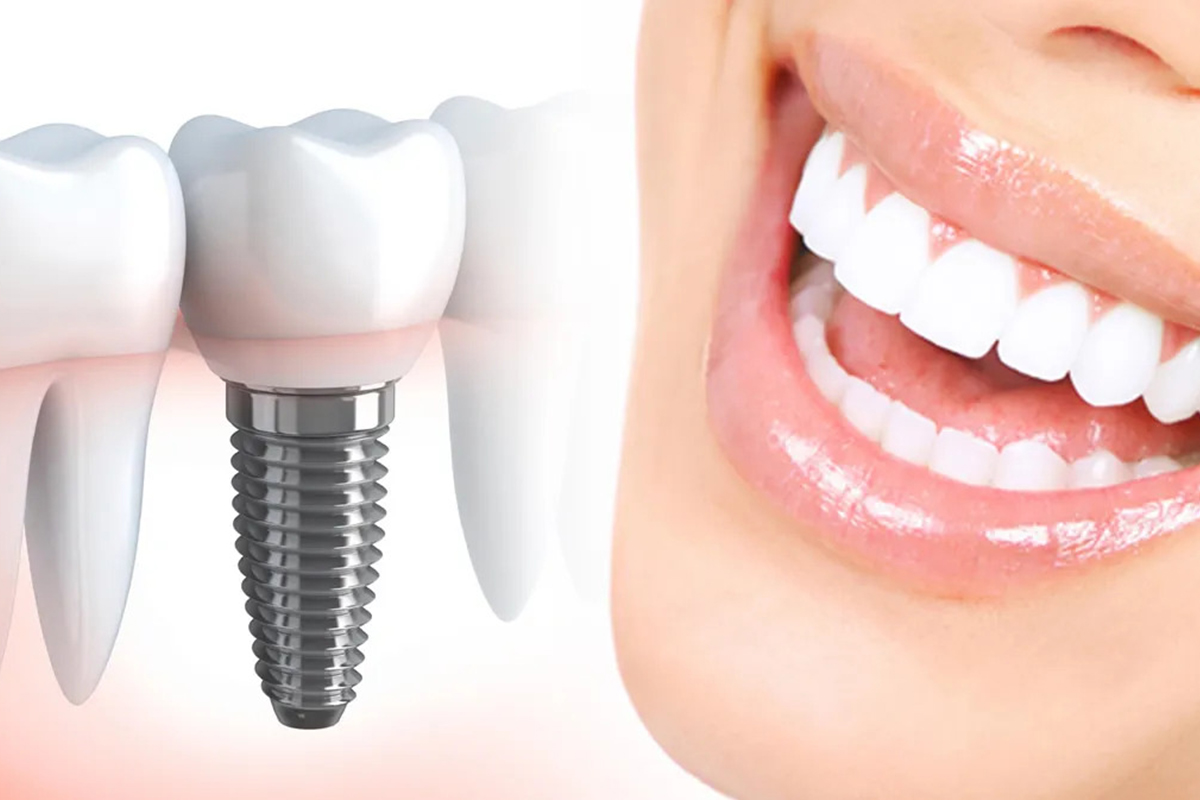
Natural teeth comprise a crown visible above the gum line and a root embedded within the jawbone. The root serves multiple purposes beyond simple anchorage; it transmits biting forces to the surrounding bone, stimulating cellular activity that maintains bone density and volume. When teeth are lost, this stimulation ceases, leading to progressive bone resorption that can compromise facial structure and complicate future restorative efforts.
Dental implants restore this crucial biomechanical relationship. The implant fixture assumes the root’s role, distributing forces throughout the jawbone during mastication and speech. This functional loading encourages bone remodelling and preservation, halting the deterioration typically associated with tooth loss. The biological mechanisms underlying implant success demonstrate how properly placed implants can maintain bone volume for decades, supporting not only the replacement tooth but also the overall architecture of the jaw.
Achieving Long-Term Success Through Biological Integration
The remarkable longevity of dental implants stems from their ability to function as integrated components of the oral system rather than mere prosthetic devices. By respecting and harnessing natural biological processes, modern implant dentistry achieves success rates exceeding ninety-five per cent over ten-year periods. This achievement represents a triumph of understanding how to work alongside the body’s inherent capabilities, creating restorations that patients can rely upon for a lifetime of confident smiling, speaking, and eating.