





Category: Dental
How Invisalign Aligners Improve Speech Clarity During Orthodontic Treatment
Understanding the Connection Between Orthodontics and Speech
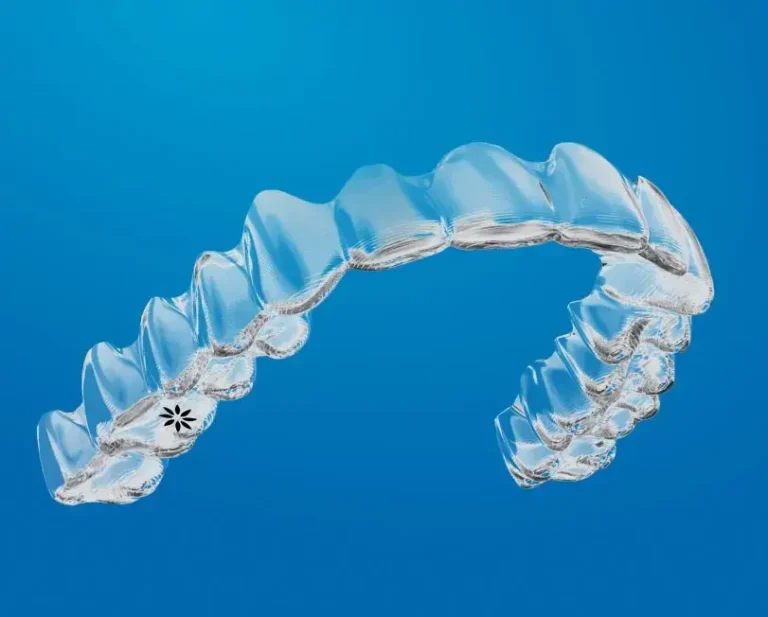
The relationship between dental alignment and speech production is far more intricate than many people realise. When individuals embark upon orthodontic treatment, concerns about temporary speech difficulties often arise, particularly with traditional metal braces. However, Invisalign Tunbridge Wells have revolutionised the patient experience, offering a pathway to straighter teeth whilst minimising disruption to everyday communication. The innovative design of these transparent aligners takes into account the complex mechanics of speech production, making them an increasingly popular choice for adults and teenagers alike.
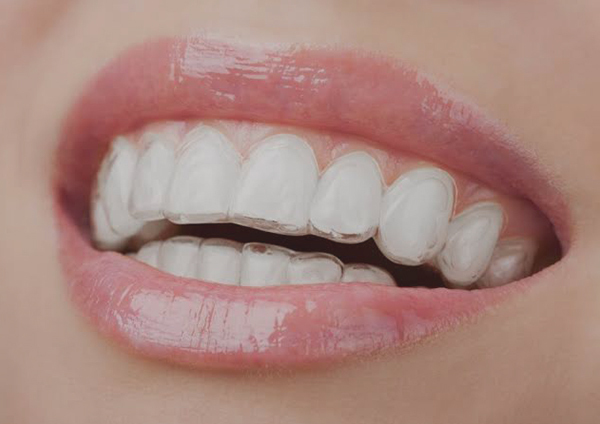
Speech clarity depends heavily on the precise positioning of the tongue against various points in the mouth, including the teeth and palate. Any alteration to the oral environment can initially affect pronunciation, particularly with sounds that require specific tongue placement. Traditional orthodontic appliances often create significant changes to the mouth’s interior landscape, leading to a more pronounced adjustment period. Clear aligners, by contrast, are engineered to be remarkably thin and form-fitting, which considerably reduces their impact on speech patterns from the outset of treatment.
The Science Behind Clear Aligner Design
The engineering behind modern clear aligners represents a triumph of dental technology. Each aligner is custom-manufactured using advanced 3D imaging and computer-aided design, ensuring a precise fit that hugs the contours of the teeth without unnecessary bulk. This streamlined profile is crucial for maintaining speech clarity, as it minimises the amount of foreign material in the mouth that the tongue must navigate around during conversation. Research on clear aligner effectiveness has demonstrated that patients typically adapt to wearing aligners within just a few days, with minimal long-term impact on their ability to articulate clearly.
Those seeking Invisalign Tunbridge Wells treatment can expect aligners that sit snugly against the teeth, creating minimal interference with the tongue’s natural movements. The smooth, medical-grade plastic used in their construction eliminates the sharp edges and protruding brackets associated with traditional braces, which can catch the tongue and create lisping or slurring effects during the adjustment period.
Adaptation Period and Speech Improvement Timeline
The initial adjustment to clear aligners typically involves a brief period during which the mouth acclimatises to the presence of the appliances. Most patients report that any minor speech alterations resolve within two to seven days of beginning treatment. During this time, the tongue learns to accommodate the slim profile of the aligners, and muscle memory adjusts accordingly. This remarkably short adaptation period stands in stark contrast to traditional orthodontic treatments, which can require several weeks before speech returns to normal patterns.
Interestingly, some patients actually experience improvements in speech clarity as their treatment progresses. This occurs because the aligners gradually correct misalignments that may have been contributing to speech impediments all along. Gaps between teeth, severe overcrowding, and significant overbites can all affect pronunciation, particularly of sibilant sounds like ‘s’ and ‘z’. As these structural issues are resolved, many individuals find that their articulation becomes clearer and more precise than it was before treatment commenced.
Practical Strategies for Maintaining Clear Speech
Patients can employ several techniques to accelerate their adjustment to clear aligners and maintain optimal speech clarity throughout treatment. Reading aloud during the first few days helps the mouth adapt more quickly to the new oral environment. Practising challenging words and tongue twisters can also expedite the process of retraining muscle memory. Studies examining speech adaptation during aligner therapy suggest that active vocal exercises significantly reduce the adjustment period compared to passive adaptation alone.
Staying well-hydrated is another crucial factor, as adequate saliva production facilitates smooth tongue movement and reduces any clicking sounds that might occur during speech. Clinical evidence on orthodontic treatment outcomes indicates that maintaining good oral hygiene and following prescribed wear schedules also contributes to consistent speech patterns throughout the treatment journey.
Achieving Optimal Results Through Modern Orthodontics
Clear aligner technology has transformed orthodontic treatment by addressing not only aesthetic concerns but also functional aspects of oral health, including speech production. The thoughtful design of these appliances ensures that patients can pursue straighter teeth without sacrificing their ability to communicate effectively in professional and social settings. For those considering orthodontic treatment, the minimal impact on speech clarity represents yet another compelling advantage of choosing modern clear aligner systems over traditional alternatives.
Protecting Your Smile After Invisalign
Understanding the Critical Role of Retention in Orthodontic Success
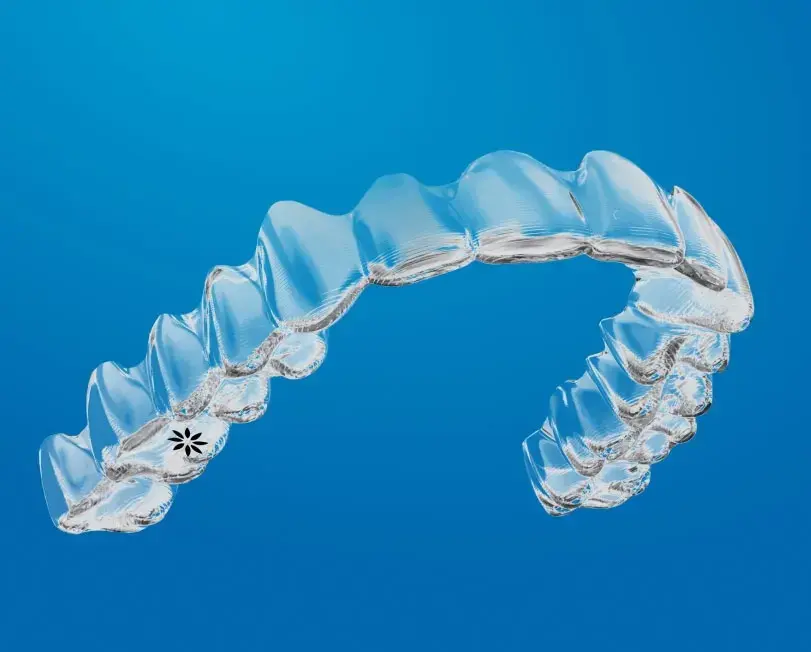
The moment when clear aligners are finally removed marks a significant milestone in any orthodontic journey. Months of diligent wear have transformed crooked teeth into a beautifully aligned smile, and the temptation to simply celebrate and move on is entirely understandable. However, the completion of active treatment represents not an ending, but rather a transition into an equally important phase: retention. Without proper retention protocols, even the most expertly executed invisalign Leeds treatment can gradually unravel, with teeth drifting back towards their original positions.
The biological reality is that teeth possess a remarkable memory. Following orthodontic movement, the surrounding bone, ligaments, and soft tissues require substantial time to stabilise and adapt to their new configuration. During this vulnerable period, teeth remain susceptible to relapse, a phenomenon that affects patients regardless of age, treatment complexity, or initial severity of misalignment. Retention protocols exist specifically to counteract these natural forces and preserve the investment of time, effort, and resources that patients have dedicated to achieving their ideal smile.
The Science Behind Orthodontic Relapse
Understanding why retention matters requires appreciation of the dynamic nature of dental structures. Teeth are not fixed rigidly in the jawbone but are instead suspended within the periodontal ligament, a network of fibres that allows for slight movement and adaptation throughout life. When orthodontic forces reposition teeth, these fibres stretch and reorganise, whilst the surrounding bone remodels to accommodate the new alignment. Research into post-orthodontic stability demonstrates that this remodelling process continues for many months after active treatment concludes.
The periodontal ligament contains elastic fibres that retain tension even after teeth have been moved, creating an inherent tendency to pull teeth back towards their original positions. Additionally, external factors such as tongue pressure, lip posture, and habitual grinding or clenching exert continuous forces on teeth throughout daily life. Without the counterbalancing influence of retention appliances, these combined pressures can gradually compromise treatment results, sometimes within mere weeks of aligner removal.
Types of Retention Appliances and Their Functions
Retention protocols typically involve one of several appliance types, each designed to maintain tooth position through different mechanisms. Fixed retainers consist of thin wires bonded to the inner surfaces of teeth, providing continuous passive retention without requiring patient compliance. These are particularly effective for lower anterior teeth, which demonstrate the highest tendency towards relapse. Removable retainers, conversely, offer versatility and ease of cleaning whilst requiring disciplined daily wear to achieve their protective function.
The Vivera retainer system, specifically designed for patients who have completed clear aligner treatment, represents a popular choice amongst orthodontic practitioners. These retainers utilise similar thermoplastic material to the aligners themselves, offering familiar comfort and aesthetics. According to clinical guidelines on retention protocols, the initial retention phase typically requires full-time wear, transitioning gradually to night-time-only maintenance as stability increases over subsequent months and years.
Establishing a Sustainable Long-Term Retention Strategy
The duration of retention remains a subject of ongoing discussion within orthodontic circles. Historically, practitioners prescribed finite retention periods, often lasting two to three years. Contemporary understanding, however, recognises that retention should be considered a lifelong commitment for patients seeking to preserve their orthodontic results indefinitely. Evidence-based retention strategies increasingly support extended or permanent retention protocols, particularly for patients with certain risk factors such as severe initial crowding or pre-existing periodontal concerns.
Successful retention requires partnership between practitioner and patient. Regular monitoring appointments allow orthodontic professionals to assess stability, identify early signs of relapse, and adjust retention protocols accordingly. Patients must maintain meticulous retainer hygiene, store appliances properly when not in use, and promptly report any damage or fit issues that could compromise retention effectiveness.
Protecting Your Investment Through Committed Retention
The transformation achieved through invisalign Leeds treatment represents a significant personal and financial investment. Retention protocols serve as the insurance policy that protects this investment, ensuring that the confidence and oral health benefits gained through orthodontic correction endure throughout life. By understanding the biological necessity of retention and committing to long-term compliance, patients can enjoy their beautifully aligned smiles for decades to come, making the discipline of retention a small price for such lasting rewards.
How Dental Implants Mimic Natural Tooth Biology for Lasting Results
Understanding the Revolutionary Science Behind Modern Tooth Replacement
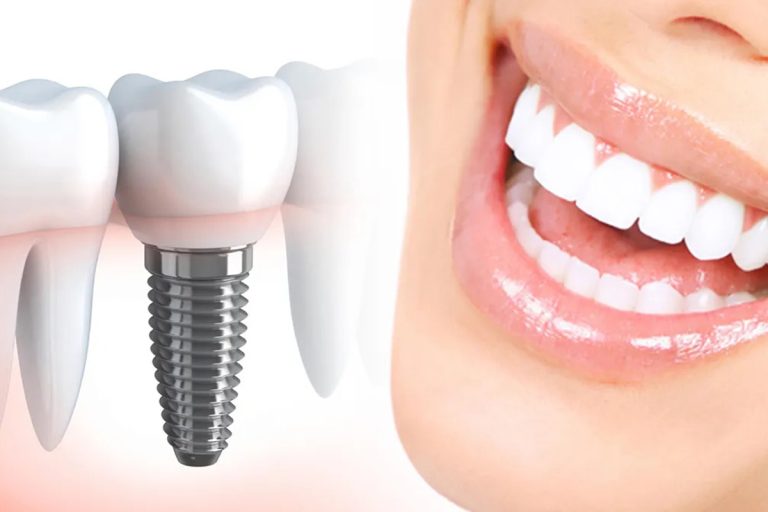
The human body possesses a remarkable ability to integrate foreign materials when they are carefully selected and precisely placed. Dental implants that a dentist Richmond offers represent one of the most successful applications of this biological principle, offering patients a tooth replacement solution that works in harmony with natural oral structures. Unlike traditional dentures or bridges that simply rest upon the gums or neighbouring teeth, implants engage with the jawbone itself, creating a foundation that mirrors the original tooth root’s function and stability.
The journey from tooth loss to successful implant restoration involves a fascinating interplay between advanced materials science and the body’s innate healing mechanisms. When a dentist patients trust places a titanium implant into the jawbone, they are initiating a biological process that has been refined through decades of research and clinical application. This process, known as osseointegration, forms the cornerstone of implant dentistry’s success and represents a genuine collaboration between human physiology and biomedical engineering.
The Biological Foundation of Osseointegration
Osseointegration describes the direct structural and functional connection between living bone tissue and the surface of a load-bearing implant. This phenomenon was first documented by Swedish orthopaedic surgeon Per-Ingvar Brånemark in the 1960s, though it took several years before the dental profession fully recognised its transformative potential. The process begins immediately after implant placement, as bone cells migrate towards the titanium surface and begin to form new tissue that eventually anchors the implant with extraordinary strength.
The success of this integration depends upon several critical factors. The implant’s surface characteristics play a vital role, with modern designs featuring specially treated textures that encourage bone cell attachment and growth. Research into surface modifications has demonstrated that roughened titanium surfaces significantly enhance the rate and quality of bone formation compared to smooth surfaces. These microscopic features provide increased surface area and create an environment conducive to cellular adhesion, effectively inviting the bone to embrace the implant as though it were a natural structure.
Material Selection and Biocompatibility
The choice of titanium as the primary material for dental implants was not arbitrary but rather the result of careful observation and scientific inquiry. Titanium exhibits exceptional biocompatibility, meaning the human body accepts it without triggering adverse immune responses or rejection. This metal forms a thin oxide layer upon exposure to air or bodily fluids, creating a surface that bone cells readily recognise and colonise. This passive oxide layer prevents corrosion and ensures long-term stability within the oral environment.
Recent advances have introduced titanium alloys and zirconia alternatives, each offering distinct advantages whilst maintaining the fundamental principle of biocompatibility. Studies on biomaterial properties continue to refine our understanding of how different compositions affect cellular behaviour and long-term outcomes. These materials must withstand considerable forces during chewing whilst maintaining their structural integrity and biological harmony with surrounding tissues.
Mimicking Natural Tooth Structure and Function
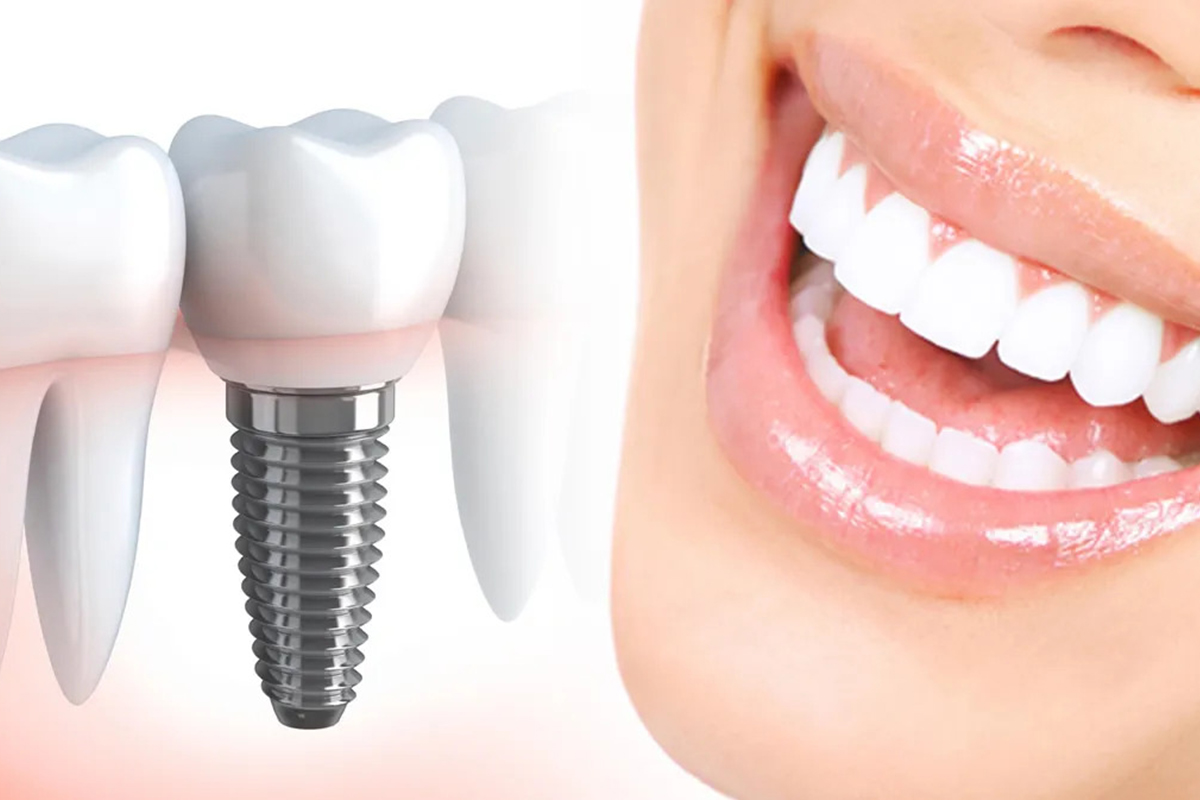
Natural teeth comprise a crown visible above the gum line and a root embedded within the jawbone. The root serves multiple purposes beyond simple anchorage; it transmits biting forces to the surrounding bone, stimulating cellular activity that maintains bone density and volume. When teeth are lost, this stimulation ceases, leading to progressive bone resorption that can compromise facial structure and complicate future restorative efforts.
Dental implants restore this crucial biomechanical relationship. The implant fixture assumes the root’s role, distributing forces throughout the jawbone during mastication and speech. This functional loading encourages bone remodelling and preservation, halting the deterioration typically associated with tooth loss. The biological mechanisms underlying implant success demonstrate how properly placed implants can maintain bone volume for decades, supporting not only the replacement tooth but also the overall architecture of the jaw.
Achieving Long-Term Success Through Biological Integration
The remarkable longevity of dental implants stems from their ability to function as integrated components of the oral system rather than mere prosthetic devices. By respecting and harnessing natural biological processes, modern implant dentistry achieves success rates exceeding ninety-five per cent over ten-year periods. This achievement represents a triumph of understanding how to work alongside the body’s inherent capabilities, creating restorations that patients can rely upon for a lifetime of confident smiling, speaking, and eating.
How Composite Bonding Preserves Your Natural Tooth Structure
Understanding the Conservative Approach to Modern Dentistry
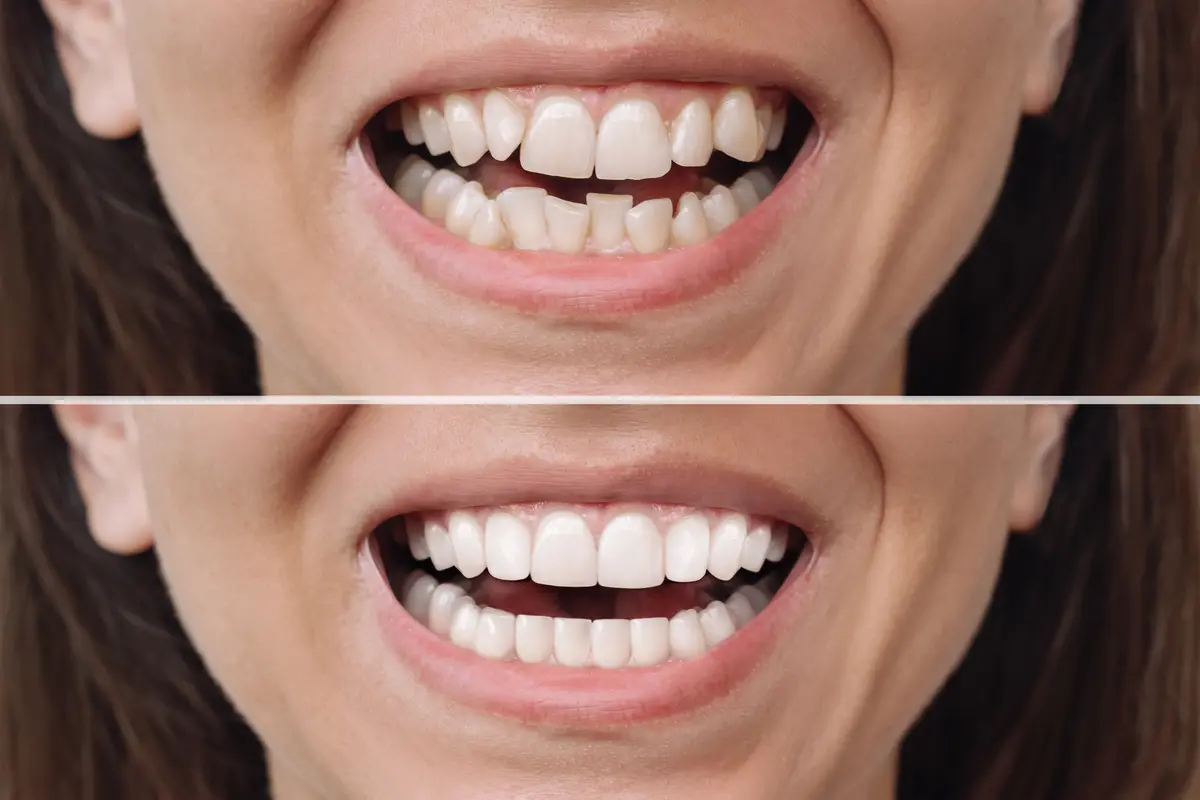
In an era where dental aesthetics have become increasingly important, patients often find themselves weighing the desire for an attractive smile against concerns about invasive procedures. Fortunately, modern dentistry has evolved to offer solutions that prioritise both beauty and preservation. Composite bonding Bournemouth stands out as a remarkable treatment that enhances smiles whilst maintaining the integrity of natural teeth, representing a significant shift from the more aggressive dental interventions of the past.
The philosophy behind composite bonding centres on minimal intervention, a principle that has gained considerable traction amongst dental professionals. Rather than removing substantial amounts of healthy tooth enamel to accommodate veneers or crowns, this technique works with what nature has provided. The result is a treatment that respects the biological value of original tooth structure whilst delivering impressive aesthetic improvements.
The Science Behind Tooth Preservation
Why Natural Tooth Structure Matters
Natural tooth enamel represents one of the hardest substances in the human body, evolved over millennia to protect the delicate inner layers of teeth. Once removed, enamel cannot regenerate, making its preservation paramount for long-term oral health. The tooth’s natural structure provides optimal strength, sensitivity regulation, and protection against decay. When significant amounts of enamel are removed for cosmetic procedures, teeth become more vulnerable to damage and may require increasingly invasive treatments in the future.
The Minimal Preparation Advantage
Unlike traditional veneers that necessitate the removal of approximately 0.5 to 0.7 millimetres of enamel, composite bonding typically requires little to no tooth preparation. The composite resin material adheres directly to the existing tooth surface through a sophisticated bonding process. This approach means that patients retain virtually all of their natural tooth structure, preserving the tooth’s inherent strength and vitality. The dentist simply roughens the tooth surface slightly to create an ideal bonding environment, a process that affects only the superficial layer of enamel.
The bonding agent used in this procedure creates a molecular bond between the composite material and the natural tooth, ensuring durability without compromising tooth integrity. This conservative dental treatment option allows for future flexibility, as the composite can be adjusted, repaired, or removed without causing permanent damage to the underlying tooth structure.
Long-Term Benefits of Preserving Tooth Structure
Reversibility and Future Options
One of the most compelling advantages of composite bonding lies in its reversible nature. Because the procedure preserves natural tooth structure, patients retain the option to explore alternative treatments in the future should their needs or preferences change. This stands in stark contrast to more invasive procedures, where teeth are permanently altered. The health benefits of composite bonding extend beyond immediate aesthetics, offering patients peace of mind that their choices today won’t limit their options tomorrow.
Maintaining Tooth Vitality
Teeth contain living tissue, including nerves and blood vessels that keep them healthy and responsive. Excessive removal of tooth structure can compromise this vitality, potentially leading to sensitivity or even requiring root canal treatment. By preserving the natural tooth, composite bonding maintains the biological integrity of the dental pulp, ensuring teeth remain strong and healthy for years to come. This conservative approach reduces the risk of complications and helps patients avoid more complex dental work down the line.
The Practical Advantages for Patients
Beyond preservation, composite bonding offers numerous practical benefits that make it an attractive option for those seeking smile enhancement. The procedure typically requires only one appointment, with results visible immediately. There’s no need for temporary restorations or multiple visits, making it convenient for busy individuals. The technique also proves less expensive than traditional veneers or crowns, providing an accessible entry point for those wishing to improve their smile.
The material itself can be colour-matched precisely to existing teeth, shaped and polished to create natural-looking results that blend seamlessly with the surrounding dentition. When properly maintained through regular dental hygiene and check-ups, composite bonding can last several years before requiring any touch-ups. Understanding the advantages and limitations of this treatment helps patients make informed decisions about their dental care.
Embracing Conservative Dentistry
The growing popularity of composite bonding reflects a broader shift towards conservative dentistry that prioritises preservation over intervention. This approach recognises that natural teeth, when properly cared for, offer unparalleled functionality and longevity. By choosing treatments that work in harmony with natural tooth structure rather than against it, patients invest in both their immediate aesthetic goals and their long-term oral health, ensuring their smiles remain beautiful and healthy for decades to come.
Uncovering the Role of Personalisation in Dental Marketing Campaigns
The Evolution of Patient-Centred Communication
The landscape of healthcare communication has transformed dramatically over recent years, with dental practices recognising that personalised approaches for dental marketing yield significantly better patient engagement and retention rates. Modern patients expect tailored experiences that acknowledge their individual needs, preferences, and circumstances rather than generic, one-size-fits-all messaging.
Personalisation in marketing dental practices represents a strategic shift from traditional advertising methods towards sophisticated, data-driven approaches that speak directly to each patient’s unique situation. This evolution reflects broader changes in consumer behaviour, where individuals have become accustomed to personalised experiences across all aspects of their digital interactions.
Dental practices that embrace personalised marketing strategies often find themselves building stronger relationships with their patient base, fostering trust and loyalty that extends far beyond individual appointments. The approach recognises that each patient’s dental journey is distinct, requiring tailored communication that addresses specific concerns and motivations.
Understanding Patient Demographics and Preferences
Successful personalisation begins with comprehensive understanding of patient demographics, treatment histories, and communication preferences. Dental practices must analyse various data points to create meaningful patient segments that allow for targeted messaging and service delivery.
Age demographics play a crucial role in determining communication channels and messaging styles. Younger patients might respond favourably to social media campaigns and digital communications, whilst older demographics may prefer traditional methods such as direct mail or telephone follow-ups. Understanding these preferences enables practices to allocate resources more efficiently whilst maximising engagement rates.
Treatment History Analysis
Patient treatment histories provide valuable insights into future needs and preferences. Those who have undergone cosmetic procedures may be interested in maintenance treatments or complementary services, whilst patients with preventive care histories might respond well to routine check-up reminders and oral health education materials.
Geographic considerations also influence personalisation strategies, as patients in different areas may have varying access to services, transportation options, and scheduling preferences. Practices serving diverse communities must consider cultural sensitivities and language preferences when developing personalised communications.
Technology-Driven Personalisation Strategies
Modern dental practices leverage sophisticated technologies to deliver personalised experiences that would have been impossible just a few years ago. Advanced artificial intelligence systems now enable personalised patient interactions that adapt to individual communication styles and preferences in real-time.
Customer relationship management systems allow practices to track patient interactions, preferences, and feedback, creating comprehensive profiles that inform future communications. These systems can automatically trigger personalised messages based on specific events such as appointment reminders, birthday greetings, or follow-up care instructions.
Automated Communication Workflows
Automated workflows enable practices to deliver consistent, personalised communications without overwhelming administrative staff. These systems can send tailored appointment confirmations, post-treatment care instructions, and educational materials based on specific procedures or patient characteristics.
Email marketing platforms now offer sophisticated segmentation capabilities, allowing practices to create highly targeted campaigns that address specific patient groups. For instance, parents might receive information about children’s dental health, whilst older patients could receive content about age-related oral health concerns.
Measuring Personalisation Success
Dental practices must establish clear metrics to evaluate the success of their personalised marketing efforts. Key performance indicators include patient retention rates, appointment booking conversions, and engagement metrics across various communication channels.
Patient feedback surveys provide invaluable insights into the perceived value of personalised communications. Practices that regularly collect and analyse this feedback can continuously refine their approaches to better meet patient expectations and preferences.
Response rates to personalised communications typically exceed those of generic marketing materials by significant margins. Tracking these metrics helps practices understand which personalisation strategies generate the greatest return on investment and patient satisfaction.
Implementation Challenges and Solutions
Implementing personalised marketing campaigns presents several challenges, including data management complexities and privacy considerations. Practices must ensure robust data security measures whilst maintaining compliance with relevant privacy regulations.
Staff training represents another crucial consideration, as team members must understand how to collect, manage, and utilise patient data appropriately. Comprehensive personalisation strategies require coordinated efforts across all practice departments, from reception staff to clinical teams.
Resource allocation challenges often arise when practices attempt to implement sophisticated personalisation strategies without adequate planning. Strategic implementation of personalised marketing approaches requires careful consideration of available resources and realistic timeline expectations.
Future Prospects for Personalised Dental Care
The future of personalised marketing dental practices lies in increasingly sophisticated data analysis and artificial intelligence applications. As technology continues to evolve, practices will gain access to more powerful tools for understanding and serving their patients’ individual needs.
Personalisation in marketing represents more than a trend; it reflects a fundamental shift towards patient-centred care that acknowledges the unique circumstances and preferences of each individual. Practices that embrace these approaches position themselves for sustained growth and enhanced patient relationships in an increasingly competitive healthcare landscape.