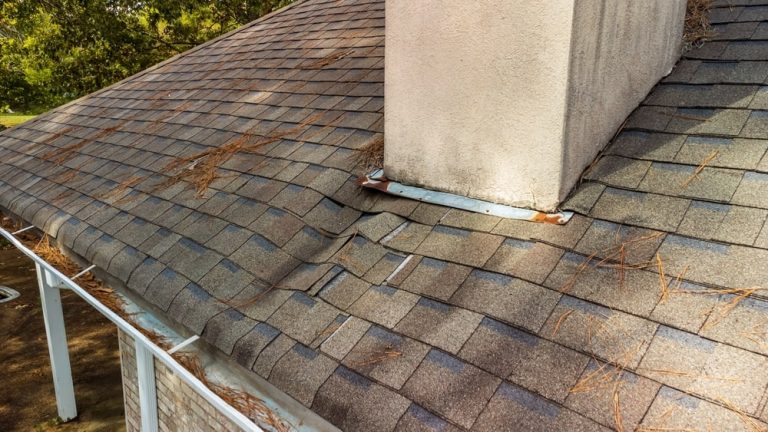
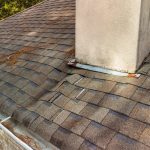





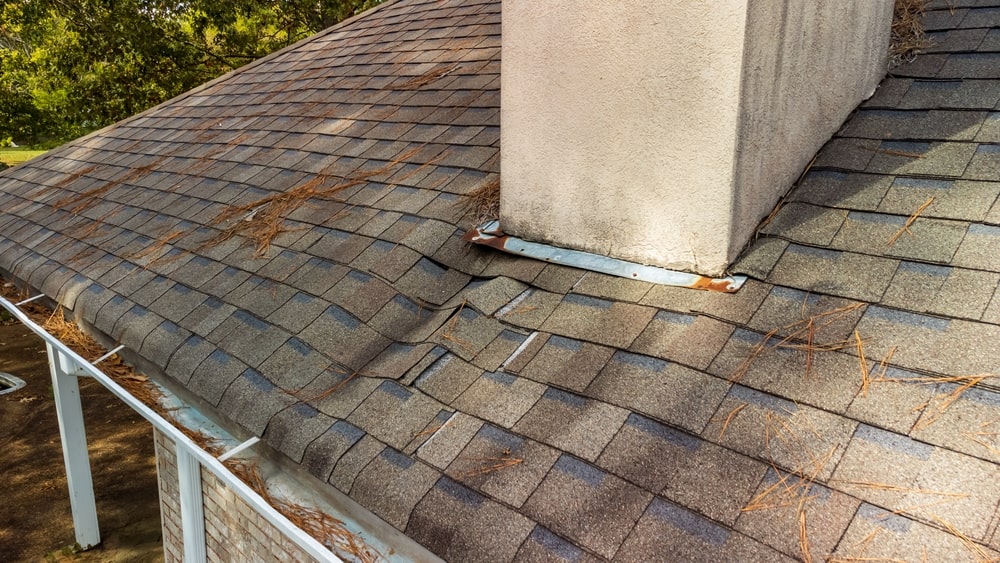
Heat cracking happens when shingles absorb strong sunlight day after day. Asphalt softens in the afternoon and contracts again overnight. Over several summers, that repeated movement leaves small splits across the shingle surface.
Most homeowners researching roofing repair in charles town learn more about this problem after spotting brittle or split shingles. What they really want is a clear answer. They want to know whether the damage is serious, what causes it, and what to do next.
Without a structured approach, people often guess. Some ignore early cracks entirely. Others replace a whole roof when a targeted repair would have been enough.
Why Structure Matters?
Heat damage develops slowly, so instinct is a poor guide. A roof can look fine from the driveway while the shingles are drying out underneath. A simple routine catches problems before they reach the decking.
- Inspect the roof after the hottest weeks of summer.
- Check the sunniest roof slopes first, since they wear fastest.
- Keep a record of what you find each season.
- Repair small cracks before winter freeze cycles widen them.
- Treat attic heat as part of the roof system.
Improve Attic Ventilation
A poorly vented attic traps hot air directly beneath the shingles. That trapped heat combines with the sun overhead and speeds up drying from both sides.
Balanced intake vents at the eaves and exhaust vents near the ridge keep air moving. Many homes have blocked soffit vents from insulation or paint. Fixing vents does not reverse cracks that already exist.
Make Targeted Repairs
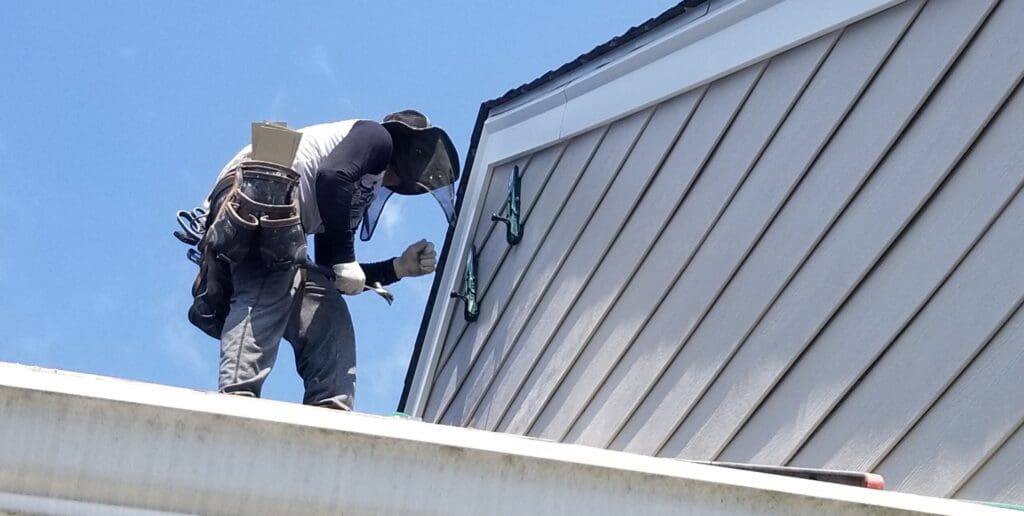
Not every cracked shingle means a full replacement. Isolated damage can often be fixed by replacing individual shingles and resealing nearby edges.
For homeowners comparing options for roofing repair in charles town learn more from an on-site assessment than from photos alone. The difficulty is that widespread cracking on an aging roof may make spot repairs a short-term fix.
Your Action Plan
- Walk around the house and look at each roof slope from the ground.
- Use binoculars or a phone zoom to check for splits and curling.
- Look inside the attic for daylight, damp wood, or musty smells.
- Clear any insulation blocking the eave vents.
- Note the age of the roof and the condition of the sunniest sides.
- Call a licensed roofer to confirm what you found.
- Repair or replace damaged shingles before the first hard freeze.
The Reality Check
Many people struggle with heat damage because it builds quietly. Early cracks rarely leak, so they feel unimportant. By the time water appears indoors, the problem has usually spread.
Another common mistake is judging the whole roof by one slope. The south and west sides take the most sun and usually age first. Weather also varies year to year. A mild summer slows wear, while a long heat wave can speed it up noticeably.
Building Better Habits
Progress comes from repetition. Checking the roof at the same time each year lets you compare conditions honestly. Photos taken from the same spots make changes easier to notice.
Reviewing past repairs also helps. If one area keeps failing, ventilation or drainage may be the real cause. Steady attention prevents most expensive surprises.
Frequently Asked Questions
- Are small heat cracks an emergency?Usually not. They should still be repaired before winter weather widens them.
- Can I seal cracked shingles myself?Roofing sealant can be a temporary patch. Badly cracked shingles should be replaced by a professional.
- Does roof color really affect heat damage? Darker shingles absorb more heat and tend to dry out sooner.
- How often should I inspect for sun damage?Once a year is a good minimum, ideally after summer ends.
- Will better ventilation extend my roof’s life?It often helps by reducing heat buildup beneath the shingles.
Protecting a roof from summer heat is less about perfect choices and more about steady follow-through. A yearly check, a clear record, and timely small repairs carry more weight than any single upgrade. Homeowners who keep that rhythm rarely face sudden, costly roof failures