







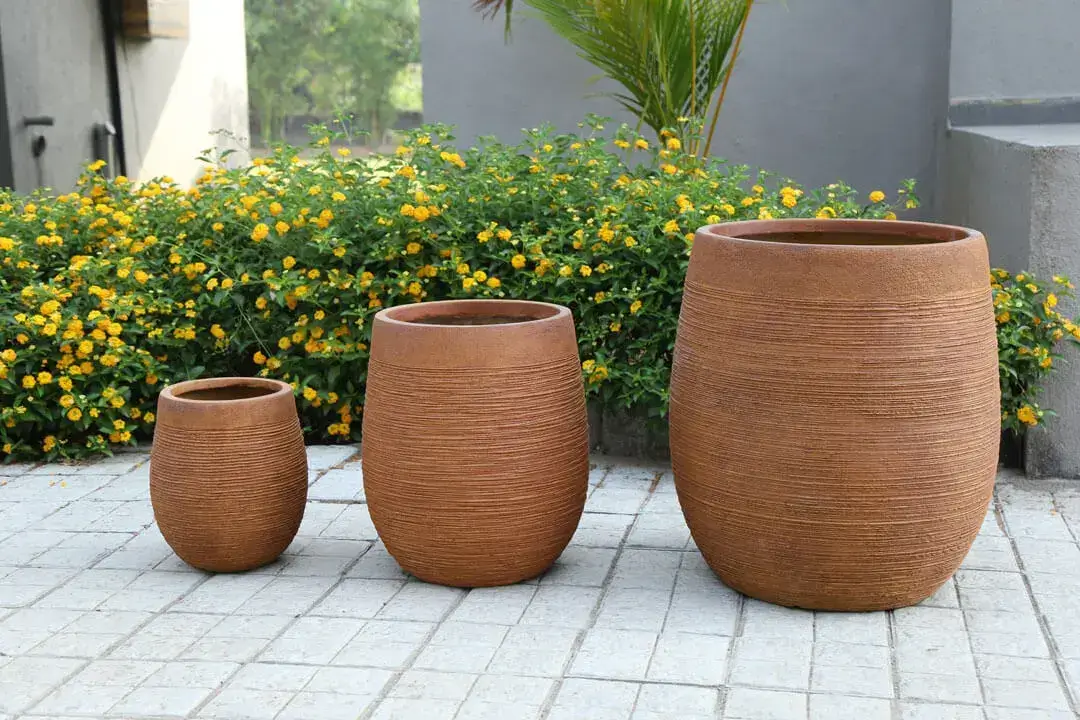
A patio gains presence when large planters establish clear visual anchors. Oversized containers frame entrances, define corners, and balance open paving. For homeowners ready to buy plants and pots online, matching plant scale with container size creates a more cohesive result. Material, placement, foliage height, and color also influence proportion. Together, these choices help outdoor spaces feel intentional without sacrificing usable room.
Large Planters Establish Strong Patio Proportion
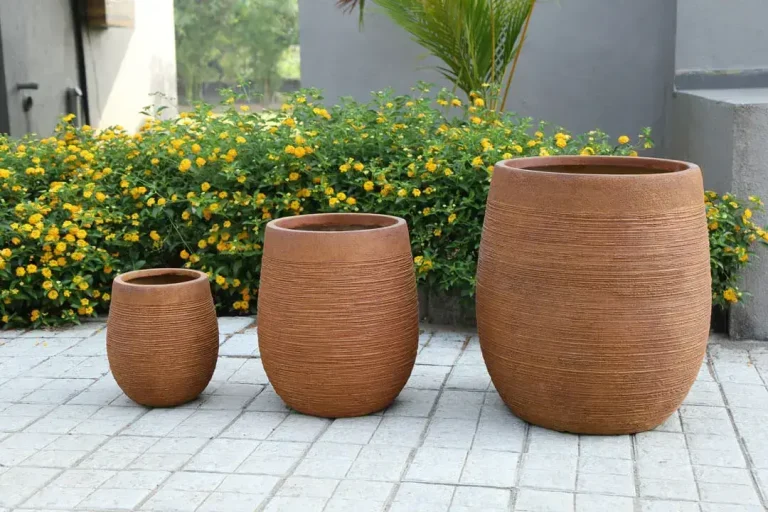
Scale determines whether a patio feels grounded or scattered. A generous container can hold tall foliage while filling an empty corner. Shorter vessels work better beside seating. On narrow terraces, two substantial planters can create balance without consuming valuable walking space.
Which Shapes Strengthen Outdoor Composition?
Shape can guide attention across an open terrace. Cylindrical vessels suit contemporary paving, while tapered forms soften rigid architecture. Square containers reinforce structured layouts around doors or dining areas. A mixed arrangement can also work when heights differ clearly, preventing the setting from feeling overly matched.
- Choose broad bases for exposed corners.
- Frame entrances with taller foliage.
- Repeat one finish for visual continuity.
- Keep pathways free from protruding rims.
Foliage Height Adds Depth And Movement
Large containers become stronger anchors when foliage rises above surrounding furniture. Grasses introduce movement, while palms create vertical emphasis. Dense shrubs provide weight near walls. Before selecting plants, buy plants and pots online with mature dimensions in mind. Proper clearance prevents future crowding around chairs, doors, and paths.
Can Material Change The Patio Mood?
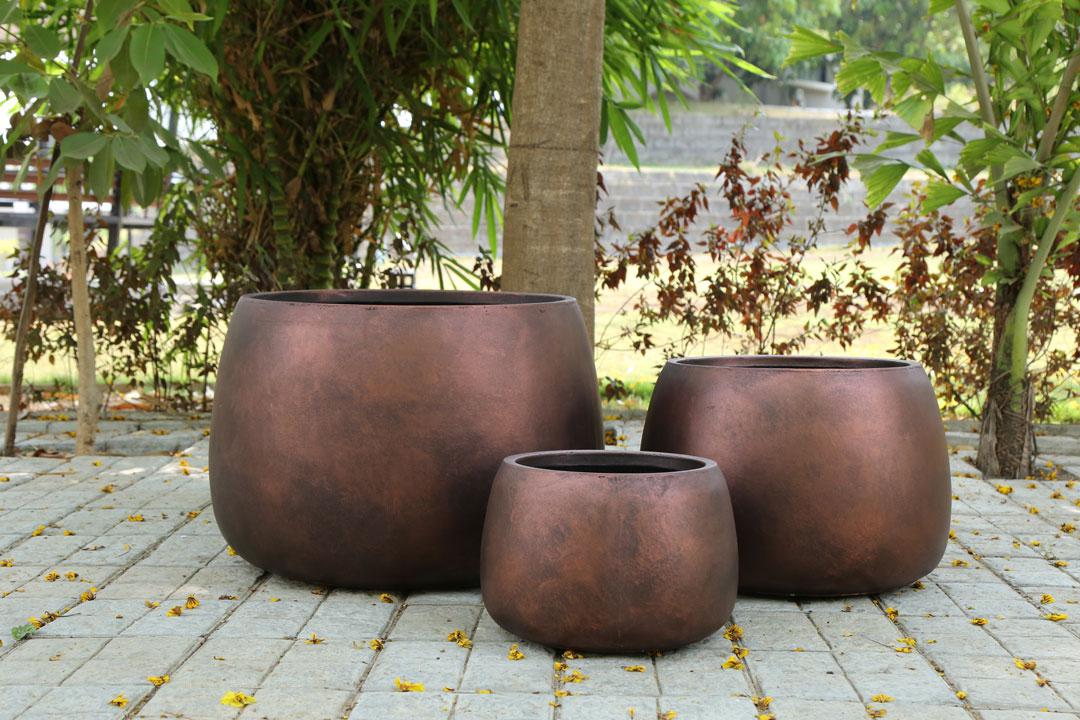
Container material strongly affects perceived atmosphere. Concrete delivers architectural weight and suits modern terraces. Terracotta introduces warmer character around timber furniture. Fiberglass offers lighter handling with substantial visual scale. Dark finishes recede against bright paving, while pale surfaces can highlight shaded corners and leafy textures.
Placement Turns Containers Into Architecture
Positioning determines whether a planter feels decorative or structural. Consider these practical placements:
- Mark the transition near patio steps.
- Anchor empty corners beside walls.
- Frame dining zones without blocking views.
- Pair containers across wide openings.
- Use staggered heights near boundary screens.
Spacing matters as much as quantity. A generous gap preserves circulation while keeping each anchor visually distinct.
A Patio Anchor Should Earn Space
Large containers work best when each one serves a purpose. A tall specimen can screen an exposed seating edge. A broad pot can soften hard masonry. The strongest arrangement treats containers as spatial tools, not accessories. Once placement feels architectural, even simple greenery can give paving greater visual authority.
FAQs
What size planter suits a patio?
Large patios can support substantial containers with mature foliage. Smaller terraces benefit from fewer vessels with controlled widths.
Which plants work well in large pots?
Architectural grasses, palms, shrubs, and compact trees create strong vertical interest. Selection should match sunlight and mature growth.
Should patio planters match each other?
Matching finishes create cohesion, while varied silhouettes add character. Consistent proportions can connect different container shapes.
How should large planters be positioned?
Place containers where structure feels missing, such as corners, entrances, and exposed boundaries. Clear walking routes should remain unobstructed.