








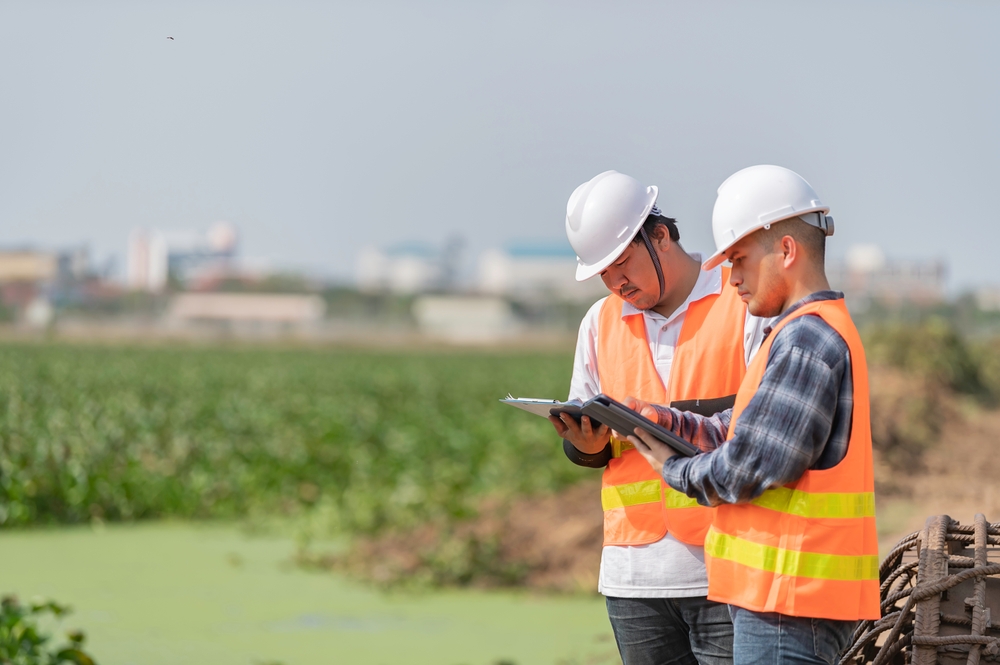
Soil conditions can reveal problems that remain unnoticed during ordinary property inspections. Harmful substances may stay beneath the ground for years without visible signs. Property owners should understand the importance of checking land before making major decisions. Professional testing helps identify possible concerns and provides useful information about ground conditions. Businesses planning development can learn more about phase II environmental site assessments to understand how detailed investigations uncover hidden risks. Early checks also help prevent costly repairs and support safer land use.
Reviewing Previous Property Activities
Historical property records help investigators understand earlier land uses. Past industrial operations may indicate areas that require closer attention.
Examining Underground Storage Areas Carefully
Buried tanks can leak harmful substances into surrounding soil. Professional checks help locate these structures and assess possible damage.
Identifying Chemical Residue Beneath Surfaces
Chemical waste can remain underground long after business operations stop. Soil samples help reveal substances that ordinary inspections cannot detect.
Checking Soil Conditions Before Development
Early investigation helps property owners understand existing ground conditions. Reliable findings support better planning and reduce unexpected construction problems.

Understanding Professional Testing Methods
Experts use suitable sampling methods to examine different soil layers. Laboratory results provide clear information about possible harmful substances.
Reviewing Historical Environmental Information
Investigators examine available records before collecting physical samples. These details help identify possible contamination sources and testing locations.
Collecting Samples From Selected Areas
Careful sampling helps produce reliable results during site inspections. Experts may examine several locations to understand contamination patterns.
Examining Laboratory Results For Risks
Collected samples undergo laboratory testing to identify harmful materials. Results help determine whether further investigation or corrective work is necessary.
Assessing Possible Underground Contamination Effects
Professional findings help property owners understand potential concerns. Those seeking to learn more about phase II environmental site assessments can understand the value of detailed soil testing.
Important checks include:
- Identifying petroleum-related substances in soil.
- Detecting chemical residues beneath developed areas.
- Examining groundwater conditions where necessary.
- Comparing laboratory findings with accepted safety standards.
- Recording affected areas for further assessment.
Planning Suitable Soil Management Measures
Property owners can use investigation results to make informed decisions. Appropriate measures depend on contamination levels and intended land use.
Hidden soil problems require careful attention rather than guesswork. Professional investigations provide dependable findings that help property owners understand underground conditions. Reviewing historical records and arranging suitable laboratory testing are practical starting points. When harmful materials are identified, experts can recommend suitable corrective measures. Acting on verified information reduces financial risks and supports responsible land development. Regular checks also help maintain reliable records for future property decisions.