






Understanding the Revolutionary Science Behind Modern Tooth Replacement
The human body possesses a remarkable ability to integrate foreign materials when they are carefully selected and precisely placed. Dental implants that a dentist Richmond offers represent one of the most successful applications of this biological principle, offering patients a tooth replacement solution that works in harmony with natural oral structures. Unlike traditional dentures or bridges that simply rest upon the gums or neighbouring teeth, implants engage with the jawbone itself, creating a foundation that mirrors the original tooth root’s function and stability.
The journey from tooth loss to successful implant restoration involves a fascinating interplay between advanced materials science and the body’s innate healing mechanisms. When a dentist patients trust places a titanium implant into the jawbone, they are initiating a biological process that has been refined through decades of research and clinical application. This process, known as osseointegration, forms the cornerstone of implant dentistry’s success and represents a genuine collaboration between human physiology and biomedical engineering.
The Biological Foundation of Osseointegration
Osseointegration describes the direct structural and functional connection between living bone tissue and the surface of a load-bearing implant. This phenomenon was first documented by Swedish orthopaedic surgeon Per-Ingvar Brånemark in the 1960s, though it took several years before the dental profession fully recognised its transformative potential. The process begins immediately after implant placement, as bone cells migrate towards the titanium surface and begin to form new tissue that eventually anchors the implant with extraordinary strength.
The success of this integration depends upon several critical factors. The implant’s surface characteristics play a vital role, with modern designs featuring specially treated textures that encourage bone cell attachment and growth. Research into surface modifications has demonstrated that roughened titanium surfaces significantly enhance the rate and quality of bone formation compared to smooth surfaces. These microscopic features provide increased surface area and create an environment conducive to cellular adhesion, effectively inviting the bone to embrace the implant as though it were a natural structure.
Material Selection and Biocompatibility
The choice of titanium as the primary material for dental implants was not arbitrary but rather the result of careful observation and scientific inquiry. Titanium exhibits exceptional biocompatibility, meaning the human body accepts it without triggering adverse immune responses or rejection. This metal forms a thin oxide layer upon exposure to air or bodily fluids, creating a surface that bone cells readily recognise and colonise. This passive oxide layer prevents corrosion and ensures long-term stability within the oral environment.
Recent advances have introduced titanium alloys and zirconia alternatives, each offering distinct advantages whilst maintaining the fundamental principle of biocompatibility. Studies on biomaterial properties continue to refine our understanding of how different compositions affect cellular behaviour and long-term outcomes. These materials must withstand considerable forces during chewing whilst maintaining their structural integrity and biological harmony with surrounding tissues.
Mimicking Natural Tooth Structure and Function
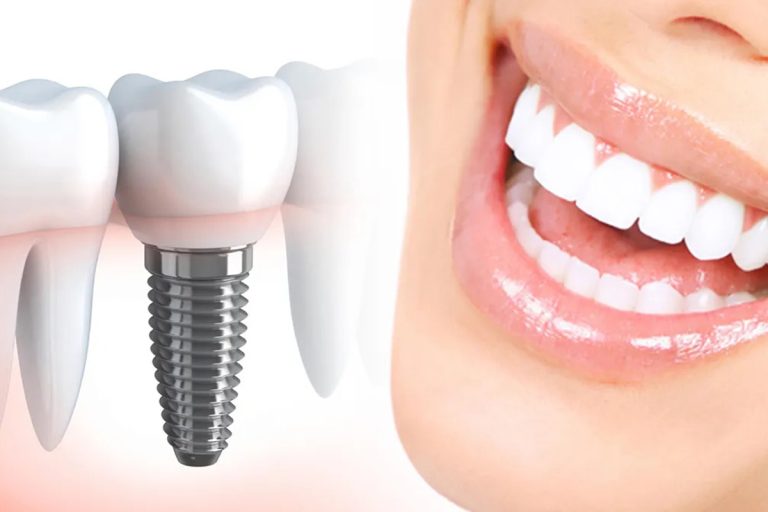
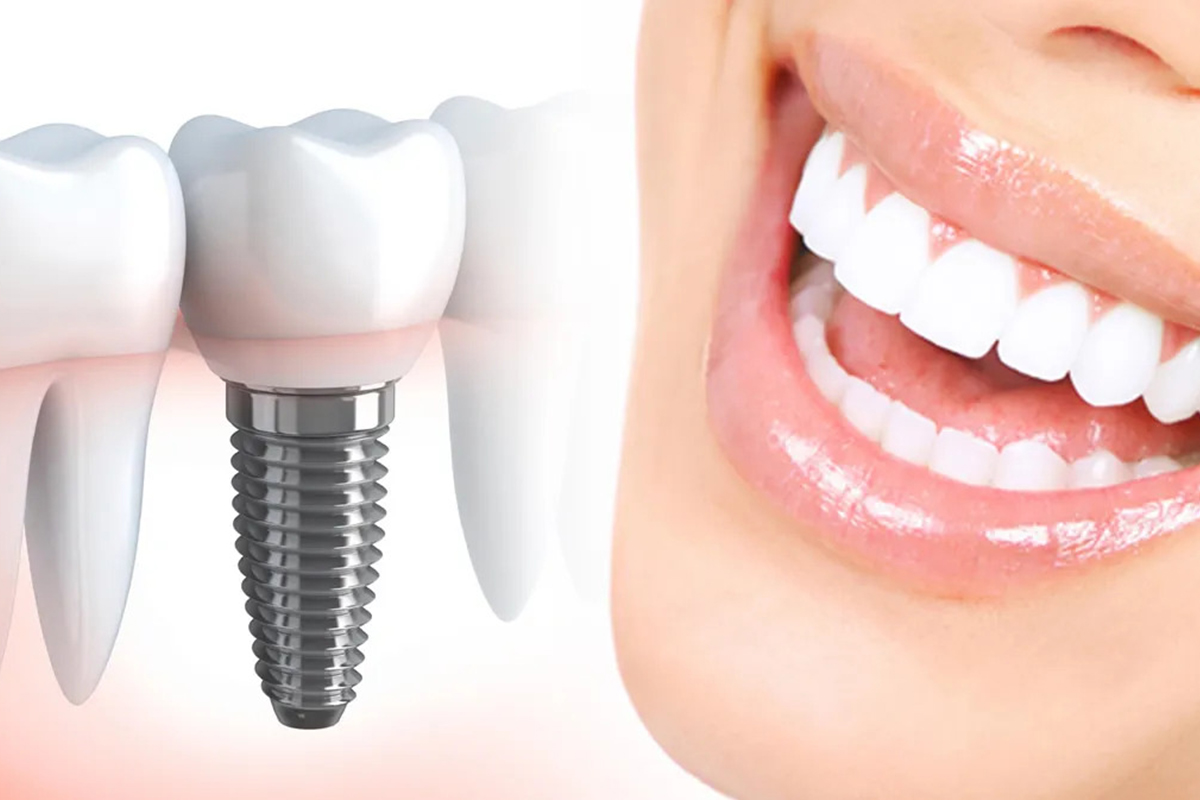
Natural teeth comprise a crown visible above the gum line and a root embedded within the jawbone. The root serves multiple purposes beyond simple anchorage; it transmits biting forces to the surrounding bone, stimulating cellular activity that maintains bone density and volume. When teeth are lost, this stimulation ceases, leading to progressive bone resorption that can compromise facial structure and complicate future restorative efforts.
Dental implants restore this crucial biomechanical relationship. The implant fixture assumes the root’s role, distributing forces throughout the jawbone during mastication and speech. This functional loading encourages bone remodelling and preservation, halting the deterioration typically associated with tooth loss. The biological mechanisms underlying implant success demonstrate how properly placed implants can maintain bone volume for decades, supporting not only the replacement tooth but also the overall architecture of the jaw.
Achieving Long-Term Success Through Biological Integration
The remarkable longevity of dental implants stems from their ability to function as integrated components of the oral system rather than mere prosthetic devices. By respecting and harnessing natural biological processes, modern implant dentistry achieves success rates exceeding ninety-five per cent over ten-year periods. This achievement represents a triumph of understanding how to work alongside the body’s inherent capabilities, creating restorations that patients can rely upon for a lifetime of confident smiling, speaking, and eating.